
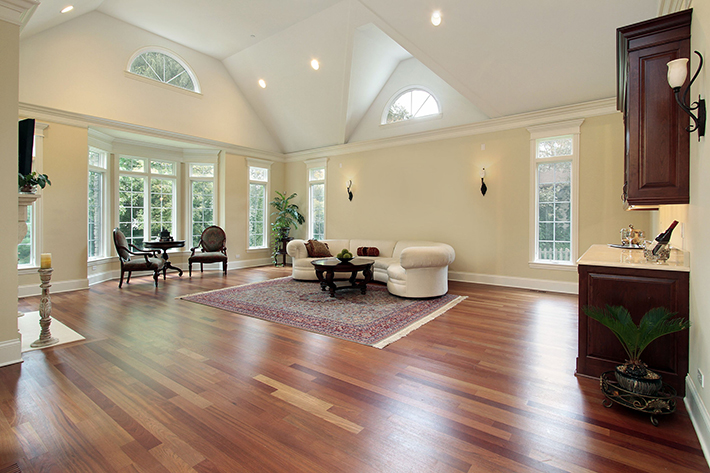
Have you ever walked through your living room and admired your hardwood floor, and started wondering how professionals made it? If so, you’re not alone. Knowing how your floor is constructed helps you to understand the construction process from the beginning making you a savvy shopper.
It will also help you determine the hardwood flooring value and help you stay within your budget.
How Are Wood Floors Made?
There are three main types of wood flooring: solid wood flooring, engineered, and acrylic impregnated or infused wood flooring. Each one is made different and has advantages and disadvantages. When deciding which one is right for your room, think about the look you want and how much wear and tear the floor will endure.
Below, we will explain the basics of how hardwood is made and encourage you to check it out. This knowledge will give you the information you need to determine which type of flooring is best for you and make sure it’s of the highest quality. In addition, you’ll also learn the difference between each type.
Solid Wood Flooring
Solid wood flooring comes from tree trunks. Once the trees are cut into logs, they are inspected to ensure the highest quality. Once the logs are chosen, they are then cut into rough planks in three ways.
● Plain sawn is the most common because it’s quick and inexpensive.
● Quarter sawn cuts the logs in quarters before turning them into planks which provided a unique linear grain pattern.
● Rift sawn is the most expensive and least common. This method involves cutting at various angles providing a streamlined linear grain appearance.
Once the trunks are made into planks, each is graded based on its style and then smoothed on all four sides until they are smooth without any saw marks and ensure they are level. At this time manufacturer will distress the planks to give them an antique look.
Using a molder machine, each plank is given a tongue and groove edge for easy installation. The tongue and groove also give the wood the room it needs to contract and expand with the humidity without damaging your floor.
Once the cut and style meet the grading standards, the planks will go through a staining machine to apply the selected stain. Some of the boards will be left unfinished so the customer can choose the finish.
Benefits: This floor is the longest lasting and can be sanded and refinished many times. With the tongue and groove design, a professional can install your floor in just a few hours.
Engineered Wood Flooring
This type of wood flooring is constructed by gluing together several woodpiles with a veneer of natural hardwood glued on top. The plywood underneath the hardwood veneer is called the core board. The core is made by stacking piles on top of one another in opposite directions and then glued together. Because of this construction process, engineered wood flooring is much less likely to expand and contract, unlike solid wood.
There are three ways of cutting the hardwood veneer. The cutting method, along with the thickness, affects the price.
● Dry solid-sawn is the most expensive and the one that looks the most like hardwood floors. This process allows the wood to dry slowly with low humidity levels to reduce the chances of bowing.
● Rotary-peel involves boiling the wood to prepare the wood. Once it’s ready, the wood is then scraped with a blade and flattened. Over time the floor may start to warp and lose its shape.
● Sliced peel involves boiling the log, then sliced from end to end and pressed.
The dry solid-sawn provides the lowest yield at the highest cost but looks the best and will last the longest. Rotary peeled produces the highest output with the lowest price.
When choosing engineered flooring, a few things to know are the thicker the top layer is, the better it is. Veneer thickness ranges between .6mm-6mm and can be made from any type of wood. Also, if the veneer is less than 2mm thick, you can’t sand or refinish it. You also need to pay attention to the type of adhesive used. Make sure the flooring you choose engineered floors that are E1 or E0 class, so they don’t emit unsafe levels of formaldehyde.
The benefits of engineered wood flooring is professionals can install it over concrete floors, over in-floor radiant heating systems, and below grade. The core board makes it more stable than solid wood because it doesn’t expand and contract.
Acrylic Impregnated Wood Flooring
This type of engineered flooring is strengthened by forcing stain and a liquid acrylic that fills the cells and supports the wood structure. This flooring is durable, resistant to impact damage, denting, and wear and tear from heavy traffic.
This floor is made by drying the wood using a vacuum to remove sugars and sap, leaving the cells dry. Acrylic is forced into empty cells to replace sugars and sap. If the wood is stained, it is mixed with acrylic before impregnation. Once it dries, it is sanded and glued to the core material.
The main benefit of this wood is it lasts a lot longer than natural hardwood and is perfect for commercial buildings or rooms with a lot of foot traffic.
Hardwood Floors Overall
There are benefits to each type of wood flooring, and it all boils down to your preferences. No matter which type of flooring you choose, make sure you call a professional to install it to ensure that it’s done correctly without any mistakes.
Cameron the Sandman is a family-owned hardwood flooring business that provides the highest quality workmanship and product. We have been installing the most beautiful hardwood floors throughout Michigan homes since 1936 as well as restoring and refinishing wood floors with our expert wood flooring services. When you value your floor investment, we know we’ve done our job. Call and speak to a wood floor specialist today and admire your floors for a lifetime!