
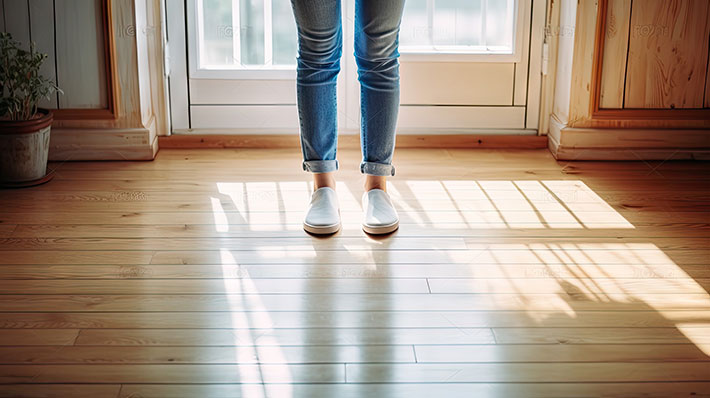
Hardwood floors are the most beautiful and durable flooring options available. They add warmth, character, and value to any home. However, over time, they can become worn, scratched, and dull due to daily use. When this happens, homeowners often face a tough decision—should they refinish their existing hardwood floors or replace them entirely?
Choosing the right hardwood flooring company to help with your decision is a smart choice.
Understanding Hardwood Floor Refinishing
Hardwood floor refinishing starts with sanding down the existing surface to remove blemishes and discoloration. Once completed, a polish is applied to the surface to restore it’s original beauty without the need for full replacement. Refinishing is often the best solution when the wood itself is still in good condition but has suffered from surface-level damage or wear over time.
Signs Your Hardwood Floors Need Refinishing
Refinishing is a great option if your floors show any of the following signs:
1. Surface Scratches and Scuffs – If your floor has minor scratches and scuff marks from furniture, pet claws, or daily foot traffic, refinishing can restore its smooth surface.
2. Dull and Faded Finish – Over time, hardwood floors lose their lustrous shine due to sun exposure, dirt buildup, and everyday wear.
3. Light Stains or Discoloration – Minor stains from spills or water exposure can often be removed through sanding and refinishing.
4. Mild Warping or Cupping – Slight warping can sometimes be corrected by refinishing, especially if the underlying structure is still intact.
The Hardwood Refinishing Process
Refinishing hardwood takes multiple steps that require expertise and precision. Here’s what you can expect:
1. Preparation – The area is cleared of furniture, and any necessary repairs are made.
2. Sanding – A professional sanding machine removes the old finish and evens out the surface.
3. Staining (Optional) – Can be used when you want to change the color of the flooring.
4. Sealing and Finishing – A protective finish (polyurethane, oil-based, or water-based) is applied to protect the wood and enhance its durability.
5. Drying and Curing – The finish must dry completely before furniture and foot traffic can resume.
When to Replace Hardwood Floors Instead of Refinishing
While refurbishing your hardwood floor should always be the place to start, sometimes replacement is necessary. Here are key indicators that your floors need to be replaced:
1. Extensive Water Damage: If your hardwood floors have suffered severe water damage refinishing may not be enough.
2. Deep Structural Damage: When deep cracks, splits, or holes, refinishing will not fix the underlying structural issues it’s time for a partial or total replacement.
3. Multiple Previous Refinishes: If your floors have been refinished multiple times and the wood is becoming too thin, replacement is the only viable option.
4. Gaps or Buckling: When gaps form between the boards, or they are lifting from their foundations it may mean it’s time for replacement.
Cost Comparison: Refinishing vs. Replacing
A notable difference between refinishing and replacing hardwood floors is the price. Refinishing is the more affordable option.
● Refinishing Costs: Typically ranges from $3 to $8 per square foot, depending on the finish, condition of the floors, and regional labor costs.
● Replacement Costs: Installing new hardwood floors costs between $8 to $15 a square foot, including materials, labor, and removal of the old flooring.
If your existing floors are structurally sound, refinishing can save thousands while still providing a refreshed and beautiful look.
Benefits of Refinishing Over Replacing
● More Cost-Effective: Refinishing is significantly cheaper than a full replacement.
● Preserves the Original Wood: If your home has vintage or high-quality hardwood, refinishing maintains its charm and authenticity.
● Less Disruptive: Refinishing is less time intensive and doesn’t disrupt your home and business as much as a full replacement.
● Eco-Friendly: Refinishing reduces waste and avoids using new raw materials.
Benefits of Replacing Over Refinishing
● Fixes Structural Issues: Replacement ensures that any deep-rooted problems, such as water damage or weakened subfloors, are addressed.
● Customizable Options: You can select different wood species, colors, widths, and finishes.
● Longer Lifespan: A brand-new hardwood floor can last 50+ years with proper care.
Partner with Hardwood Flooring Experts
Deciding between refinishing and replacing hardwood floors involves considering a number of factors. If your floors are structurally sound but look worn out, refinishing is likely the best option. When it’s time to address issues with your current flooring, Cameron the Sandman wood floor contractors, ensures satisfaction with the results. With over 80 years of experience, we’re trusted experts in hardwood flooring services. Reach out to our team to experience the best restoring, refinishing ,and installation services in the industry today!